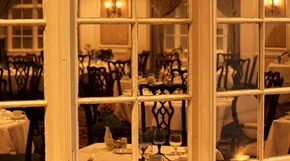
Non-gaming revenue is the money a casino property earns from services other than gambling. That includes hotel rooms, restaurants, bars, entertainment tickets, retail stores, parking, meeting space, spas and sometimes ancillary businesses such as golf courses or nightclubs.
Over the past several decades, these sources have grown from convenience amenities into central pillars of the casino resort business model. Understanding the basics of the casino business helps clarify how operating segments fit together and why non-gaming income now receives so much attention.
What is non-gaming revenue?
In financial reporting, casino companies usually separate gaming revenue from non-gaming revenue. Gaming revenue comes from slot machines, table games, poker, sports betting and other wagering activities. Non-gaming revenue is everything else that a resort-owned business generates.
Common categories include:
- Hotel rooms and resort fees
- Food and beverage, including restaurants, bars and catering
- Entertainment and nightlife, such as shows, concerts and clubs
- Retail, both owned stores and leased space
- Meetings, conventions and event space
- Parking, spas, golf and other recreation
The categories can vary widely. A small regional casino may have a café and a small hotel, while a large integrated resort may have multiple towers, a dozen restaurants, a theater, a convention center and extensive retail. The common thread is that these operations do not depend on a customer placing a bet.
The modern casino floor is one part of a larger resort ecosystem, and many visitors now come for a concert or a conference without ever placing a bet. Industry groups such as the American Gaming Association track how these amenities contribute to overall resort performance. The exact mix varies by market: a regional casino may rely more on dining and limited hotel rooms, while a destination resort may generate significant revenue from entertainment and meetings.
Why has non-gaming revenue become more important?
Casino operators have expanded non-gaming offerings for several reasons. First, they attract a broader audience, including families, business travelers and tourists who would not visit a gambling-only property. Second, amenities such as hotel rooms and restaurants often have higher repeat-visit potential than gambling alone.
Third, non-gaming revenue can smooth out volatility. Gaming revenue is sensitive to competition, economic downturns and regulatory changes. A resort with strong hotel occupancy and food sales has more than one way to make money when gambling demand softens.
The shift also reflects changes in consumer preferences. Many travelers now expect experiences, dining variety and entertainment as part of a visit. Casinos that offer only gambling may struggle to compete with nearby resorts that provide a fuller slate of activities.
Finally, many states and local governments encourage resort-style development because it supports construction jobs, hospitality employment and tax revenue beyond gaming taxes. This political and economic appeal has reinforced the shift in jurisdictions that allow commercial casinos.
How hotels and restaurants support casino performance
Hotels and restaurants are often the largest non-gaming revenue categories. A hotel room generates room revenue, but it also keeps a guest on property longer, increasing the chance that the guest will eat, shop or gamble. Restaurant and bar sales can capture spending from both hotel guests and local residents.
These businesses also have different economics than casino operations. They may carry high fixed costs for facilities and staff, but they can generate steady demand from business travel, tourism and special events. Operators often use hotel and dining promotions to build loyalty databases that later inform marketing for gaming and non-gaming offers.
Loyalty programs often tie together gaming and non-gaming spending. A guest may earn points for hotel stays and restaurant purchases that can also be used for free play or other rewards. This integration creates incentives to concentrate spending at one property.
Local market conditions matter. A casino resort near a convention center or tourist corridor may earn more from hotel rooms than a small regional property that mainly serves day-trip gamblers. Because rules and market structures differ, how casino regulation works in the United States can influence where and how non-gaming businesses operate.
How entertainment, retail and meetings expand the customer base
Entertainment venues such as theaters, arenas and nightclubs bring visitors who may never enter the casino floor. Ticket sales, merchandise and premium seating add direct revenue, but the larger value may come from foot traffic and destination appeal.
Retail can take the form of owned stores, leased space or luxury brand partnerships. Meeting and convention space attracts weekday business travelers, which helps fill hotel rooms during slower periods and balances the weekend leisure crowd.
Meeting and convention business is particularly valuable because it tends to be booked in advance and can generate group room blocks, catering revenue and exhibition fees. A convention attendee may not gamble, but they still pay for lodging and food.
These offerings often require large upfront investment and specialized management. They can also change the character of a property from a gaming hall to a broader leisure destination. In some markets, technology is changing how resorts market and manage hotel, restaurant and entertainment bookings, from dynamic pricing to mobile check-in and loyalty programs.
How non-gaming revenue is regulated
Gaming is heavily regulated, but most non-gaming operations are subject mainly to general business laws: health codes for restaurants, building and fire safety standards, liquor licensing, hotel occupancy rules and employment laws. In some states, casino operators must still obtain casino-related licenses for vendors or employees who work in sensitive areas, but day-to-day oversight of a restaurant or gift shop is usually less gaming-specific.
Tribal gaming adds another layer. Under the Indian Gaming Regulatory Act, gaming activities are regulated by tribal governments and the National Indian Gaming Commission, while non-gaming enterprises such as hotels and retail typically follow tribal, state and federal business rules. Investors and local officials should review the applicable jurisdiction because rules differ by state and tribe.
Local governments also play a role through zoning, liquor licenses and event permits. These approvals can affect how many restaurants, hotel rooms or entertainment venues a casino property can support.
Even when non-gaming operations are not directly regulated as gambling, they can affect a property's overall compliance obligations. For example, casino regulators may review whether non-gaming amenities are used to offer unlicensed gaming or to circumvent casino rules.
Risks and trade-offs of a non-gaming strategy
Non-gaming revenue is not a guaranteed cushion. Hotels, restaurants and entertainment venues are themselves sensitive to recessions, travel disruptions and local competition. A casino that overbuilds hotel rooms or convention space may face high debt service if occupancy falls.
Operating margins also differ. Gaming revenue can be highly profitable on an incremental basis, while food, beverage and entertainment often carry higher operating costs and thinner margins. A large non-gaming segment can reduce overall profitability if it is not managed well.
Another challenge is that non-gaming businesses often require different expertise. Managing a hotel, a nightclub or a convention center demands skills that do not always overlap with casino operations. Many operators hire specialized teams or partner with established hospitality brands.
There is also a risk of losing focus. Some operators have found that expanding into too many amenities dilutes the customer experience or consumes management attention. Successful diversification usually requires careful market analysis and disciplined capital allocation.
Evaluating non-gaming revenue in financial reports
Publicly traded casino companies typically break out revenue by segment in their quarterly and annual reports. Look for categories such as casino, rooms, food and beverage, entertainment, retail and other. Comparing these lines over time can reveal whether growth is coming from gaming or from non-gaming operations.
A guide to reading casino financial statements can help investors and local officials separate gaming and non-gaming results. Analysts often look at non-gaming revenue as a share of total revenue and at hotel metrics such as average daily rate and occupancy, though exact definitions vary by company.
Investors also examine non-gaming margins, because a hotel or restaurant may produce less profit per dollar of revenue than a slot machine. When comparing companies, it helps to look at both revenue mix and profitability by segment.
Researchers at the UNLV Center for Gaming Research have long documented the shift toward resort-style revenue mixes. The table below compares gaming and non-gaming revenue along several dimensions that matter for evaluation.
| Dimension | Gaming revenue | Non-gaming revenue |
|---|---|---|
| Typical sources | Slots, table games, sports betting, poker | Hotel rooms, food and beverage, entertainment, retail, meetings |
| Main demand drivers | Gambling preferences, luck, competitive casino supply | Tourism, business travel, local dining and leisure spending |
| Sensitivity to economic cycles | Can be volatile, especially in downturns | Also cyclical, but may follow different travel and consumer patterns |
| Regulatory oversight | Heavily state or tribally regulated; licensing and taxation | Mostly general business regulation, with some casino-specific vendor rules |
| Typical capital intensity | Moderate; gaming equipment and floor space | High for hotels, entertainment venues and convention space |
| Role in growth | Core revenue, but faces competition and saturation | Key driver of resort expansion and customer diversification |
The evolving shape of the modern casino resort
The growing role of non-gaming revenue reflects a broader change in how casinos operate and compete. Properties once defined by slot machines and table games now function as hotels, restaurants, entertainment venues, meeting centers and retail destinations.
This diversification can make casino resorts more resilient, but it also brings new operational complexity and financial risk. A balanced view recognizes that non-gaming income is not a replacement for sound gaming operations but a complement that can strengthen the overall business.
The long-term trend appears likely to continue as jurisdictions approve resort-style developments and customers expect more than a gaming-only experience. At the same time, the core gaming business remains the primary licensed activity, and responsible oversight of gambling remains essential.
For guests, local officials and investors, the key is to look beyond the casino floor and ask how well the entire resort ecosystem performs. Even as non-gaming amenities grow, responsible gambling resources such as the National Council on Problem Gambling remain important for those who choose to gamble.