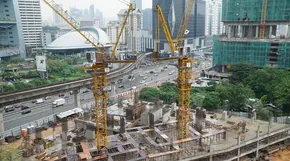
Casino real estate is a specialized asset class where location, access, and the surrounding built environment matter as much as the gaming floor. A casino is not simply a building; it is a long-lived property whose value depends on how many people can reach it, how often they visit, and what else keeps them there.
The most successful casino properties are usually placed where population density, road networks, and complementary land uses overlap. But getting the real estate right also means clearing regulatory hurdles, planning for phased development, and understanding how the property will perform over decades.
Why location is the first filter
Casino site selection begins with market access. Planners look at population within a reasonable drive time, household income levels, tourism volume, and the presence of competing gaming options. No single metric guarantees success, but a site that is difficult to reach or sits far from a large customer base starts with a disadvantage.
A trade area is the geographic zone from which a property draws most of its customers. For a locals-oriented casino, that area may be defined by a 30- to 45-minute drive. For a destination resort, the relevant draw area can be regional, national, or even international, which changes the real estate calculus entirely.
Due diligence on a potential casino site often includes:
- Zoning and land-use compatibility
- Environmental conditions and remediation needs
- Utilities capacity, including water, power, and wastewater
- Road access, visibility from highways, and signage rights
- Proximity to hotels, restaurants, and other demand generators
- Flood zone, seismic, and weather-related risk
- Title history and any deed restrictions
These factors shape both the upfront cost and the long-term flexibility of the property.
How access and infrastructure determine draw area
A casino’s draw area is not just about distance; it is about friction. A highway interchange that cuts five minutes from a trip can materially enlarge the number of people willing to visit. Conversely, congestion, inadequate parking, or poor signage can shrink the practical trade area even when the population nearby is large.
Public infrastructure decisions matter. A new interchange, expanded arterial road, or transit stop can raise the value of a casino site before any building improvements occur. Private infrastructure matters too: structured parking, covered walkways, and on-site traffic management can improve the guest experience and increase return visits.
Utilities are an often overlooked part of casino real estate. Large casino resorts consume significant power for gaming floors, HVAC systems, kitchens, and hotel towers. A site without reliable utility capacity may require expensive upgrades or backup systems, which affects project feasibility.
The development lifecycle: from land to opening
Casino development follows a staged process, and each stage carries different real estate risks. Understanding this lifecycle helps investors, local officials, and industry newcomers see why casino projects can take years to move from concept to opening.
- Site acquisition: The developer secures land or an option to purchase, often before all approvals are final.
- Feasibility and market study: Consultants estimate potential gaming and non-gaming revenue, visitation, and project cost.
- Entitlements and licensing: The property must meet local zoning rules, state licensing requirements, and, for tribal projects, federal approval steps.
- Design and construction: The project is built in phases, with the gaming floor, parking, and back-of-house systems coordinated.
- Pre-opening and stabilization: Staff are hired, systems tested, and the property ramps up toward its long-term operating level.
Each stage has distinct real estate implications. For example, land held during a long approval process may need carrying costs, while construction phasing can allow the property to open part of the facility while other elements are still being built.
Regulatory geography: where casinos can be built
Casino gaming is legalized and regulated state by state, and there is no federal casino license. A site that looks ideal from a market perspective may be impossible to develop if state law does not permit commercial casinos there or if local voters have not approved the use.
For tribal gaming, the Indian Gaming Regulatory Act of 1988 created a framework that divides gaming into classes. Class III gaming, which includes most table games and slot machines, generally requires a tribal-state compact approved by the U.S. Secretary of the Interior. The National Indian Gaming Commission is the federal regulator for tribal gaming, and the approval process can shape where tribal casinos are built and how their land is held.
Because each state sets its own rules, how casino regulation works in the United States varies widely. Some states have limited the number of licenses, tied casino locations to specific cities or waterways, or required local referendums. These legal boundaries are a first-order constraint on casino real estate.
Tribal vs commercial real estate considerations
Tribal and commercial casino properties operate under different legal and real estate frameworks. Understanding those differences helps explain why two casinos in the same region can have very different development timelines, financing structures, and community relationships.
Tribal casinos are generally built on land held in trust by the federal government for a tribe. The Indian Gaming Regulatory Act and federal fee-to-trust rules affect how land is acquired and used. Commercial casinos, by contrast, are usually private real estate parcels subject to state and local zoning, leasing, and property tax rules.
The table below compares several real estate dimensions:
| Factor | Tribal casino | Commercial casino |
|---|---|---|
| Land status | Often federal trust land; may require fee-to-trust conversion | Private land; fee simple or long-term ground lease |
| Primary approval | Tribal government, NIGC, and state compact for Class III | State gaming commission and local land-use authorities |
| Financing | May rely on tribal revenue, federal loan programs, or specialized lending | Conventional commercial real estate debt, REIT sale-leasebacks |
| Tax treatment | Generally exempt from state and local property tax on trust land | Subject to property tax unless specific incentives apply |
| Community role | Often a tribal economic development project; revenue supports tribal government | Private enterprise; may be tied to local tax revenue or jobs |
These differences do not make one model better than the other, but they change how a developer evaluates a site, how long the approval process takes, and how the property’s cash flow is shared.
Non-gaming real estate and the resort model
Modern casino properties are rarely just gaming halls. Hotels, restaurants, entertainment venues, convention space, retail, and parking are all real estate components that can generate non-gaming revenue and make the property less dependent on a single source of income.
A diversified resort real estate footprint can attract customers who would not otherwise visit a casino, extend the length of stay, and smooth out seasonal swings. The layout of the modern casino floor is often designed to connect gaming with adjacent non-gaming spaces, encouraging circulation and longer visits.
From a real estate perspective, non-gaming components can be financed separately, built in phases, or leased to third-party operators. This flexibility can improve project feasibility and create long-term value that is independent of gaming revenue trends.
Financing, ownership, and real estate value
Casino real estate can be owned and financed in several ways. Large commercial casino properties are sometimes held by real estate investment trusts, or REITs, while the operating company leases the property back under a long-term triple-net lease. In that structure, the tenant pays property taxes, insurance, and maintenance, giving the landlord a relatively stable income stream.
Investors and analysts look at a casino’s real estate value through metrics such as net operating income, coverage ratios, and capitalization rates. A guide to reading casino financial statements can help explain where real estate costs appear and how they affect profitability.
The value of casino real estate is not static. A property that is well located today may lose value if a new highway bypass shifts traffic patterns, if a competitor opens nearby, or if the surrounding neighborhood changes. Conversely, infrastructure investment, population growth, or new tourism demand can lift a property’s long-term value.
Long-term success: adaptation and reinvestment
Casino properties require ongoing capital expenditures to remain competitive. Gaming floors age, hotel rooms need renovation, and customer expectations change. A real estate strategy that ignores reinvestment can leave a property stranded even if its original location was strong.
Market changes also matter. The expansion of legal sports betting after the 2018 Supreme Court decision in Murphy v. NCAA changed how some casino properties think about space, technology, and customer flow. Similarly, the growth of technology’s role in casinos has shifted how properties use their square footage and infrastructure.
Responsible gambling resources should be part of the planning conversation as well. Communities and operators that build strong player-protection programs and connect guests with help, such as the National Council on Problem Gambling, tend to support long-term sustainability.
In the end, casino real estate is not a one-time decision. It is a long-lived asset whose success depends on continuous attention to location, access, regulation, and reinvestment.